
A Day at the Museum: Bringing Theology to Life in 2025

The Reformation
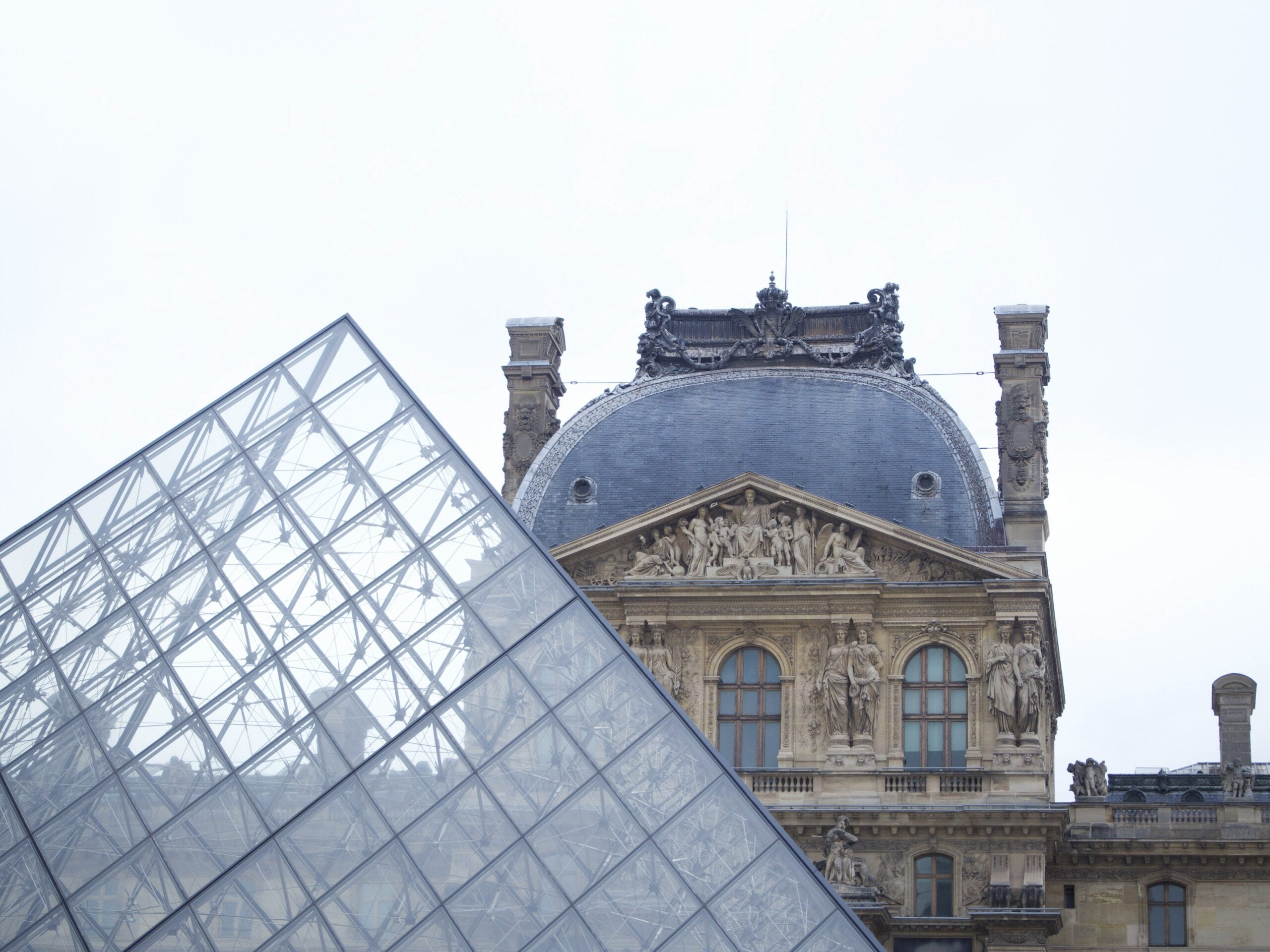
The Reformation was a museum robbery.
The Word of God was carefully cordoned off from the people. In parts of Europe, the laity were not allowed to receive half of the sacrament, they were allowed to take the bread and not the wine. Jan Hus protested this almost 100 years before the Reformation took off. Theology was only for the clergy class. The Word of God was only in Latin, it had not been translated in the common tongue.
The Church of that age had no right to do this as God wants His people to know more and more about Him.
Soon the sirens started to go off. In Eastern Europe, Jan Hus took a stand and protested that the oppression of faithful priests of God. He grabbed the wine from out of the museum and gave it back to the common man again. Soon, in England, William Tyndale smashed the glass in the museum and took the Bible and translated it into the common tongue, into English.
He is quoted to have said:
“I defy the pope and his laws! If God spares my life, in a few years a plow boy shall know more of the Scriptures than you do.” William Tyndale
The famous English Reformer John Wycliffe said:
“The laity ought to understand the faith, and since the doctrines of our faith are in the Scriptures, believers should have the Scriptures in a language familiar to the people, and to this end the Holy Ghost endued them with knowledge of all tongues.” John Wycliffe
The Reformation was essentially a museum robbery, strobe lights, sirens, and all. The Word of God was all quietly cordoned off in the cathedrals, not understood by many under the hum of Latin chants, until the Reformers broke in and went running off to the people with Bible in hand and the Word of God on their tongue.
Reformation Today
It’s easy to look at theology and to groan and wonder why people have to make so much division. The layman often doesn’t care about theology. He just sees it as heady. The clergy often doesn’t care about practical life. He lives life in his head.
In the mix of that, in broader evangelicalism, everyone is an expert on theology, anyone can be a pastor, with no standards for the clergy.
Remember that Tyndale said that he wanted the plowboy to know more about the Scriptures than the pope. The pope of that time was an ignoramus. Tyndale was not saying that everyone should be a pastor in the church, regardless of their level of learning and wisdom. There was a broader issue in that era that many of the priests were uneducated men who knew little to nothing. Tyndale simply wanted the plowboy to have access to the Scriptures.
The doctrine that Luther taught of the priesthood of all believers does not mean that every church member is immediately qualified to preach or to administer the sacraments, but simply that the church is a priestly nation, serving God in the midst of the world.
I am only teaching what Luther taught. But let’s more importantly briefly consider the New Testament. I have written about this more elsewhere.
In the New Testament, God has still set overseers over the church, elders, and with elders, deacons serve the assembly. God has also given men like Titus and Tychicus and Timothy who serve in various churches, teaching and organizing.
In the chaos of today, what we need is a well educated clergy, not just with a seminary education, but a deep and profound knowledge of the Scriptures, full of the Holy Spirit and wisdom. We need clergy who live in godliness in the home and are able to teach not the just the church, but their own families. We need them to be able to teach not just facts, but wisdom. We need not just teachers, but fathers. James warned about a multiplicity of teachers, because there does remain a high standard for teaching in the church.
The most important thing here is not the degree (although a seminary degree should not be despised either), but the ability to answer before other knowledgeable and wise men, as to your knowledge of the Scriptures, as well as your ability to apply it. So a seminary degree is not in the foreground, but an examination by a broader assembly (ie, a presbytery or a classis).
But we also want an educated laity. They might not have the qualifications for the diaconate or eldership, or have not yet received that calling. Yet, they should be able to come alongside new believers or seekers with wisdom and knowledge, and to teach them the things of God.
These things should not be inaccessible to the laity, stored up on the shelves of a seminary. Rather, it should be in the hands of the people, even as the church is being overseen by qualified elders and deacons and pastors. The people should be noble Bereans, first searching the Scriptures, and second, living it out by faith in Christ.
Let’s punch through the glass of the museum seminaries, and give access to theology to everyone in the pews of the churches. This is why I love the work of Ligonier Ministries, Crossway Publishing, Canon Press, Theopolis Institute, Reformed & Presbyterian Publishers, Ezra Institute, Cantaro Institute. Not only do we have access to a host of books and tools, but we increasingly have access to podcasts, online classes and seminaries, as well as audio books. It is easy for the diligent average blue collar worker to know more than a lazy pastor, given his access to audio books while driving. There is no man in Alberta who should complain about ignorance right now. For $16/month (CAD) you have access to a host of audio books on the Canon+ App, for example. You can also go and buy good books from Aslan’s Den in Innisfail, AB, or from any one of the above mentioned publishers.
My vision is not only that we bring the disciplines of the monastery into the Christian home and community, but also that we bring the learning of the seminary out into the church and into the workplace and public square. The Reformation put the monk into the home. A new reformation should spread the knowledge of the seminary on the rig, not just spouting facts, but spreading wisdom and piety. A new reformation should seek to ensure that the deacons, elders, pastors of the church truly are men full of the Holy Spirit and wisdom, able to equip men to lead a prayer service well on the rig.
So let’s get to it. To God alone be the glory.
Photo by Martín Castañeda on Unsplash
Note: this was first published on Nathan Zekveld’s Substack on Nov. 15, 2025. You can find Nathan’s substack here – https://nathanzekveld.substack.com/
The post A Day at the Museum: Bringing Theology to Life in 2025 appeared first on Kuyperian Commentary.