
Divine Welfare?

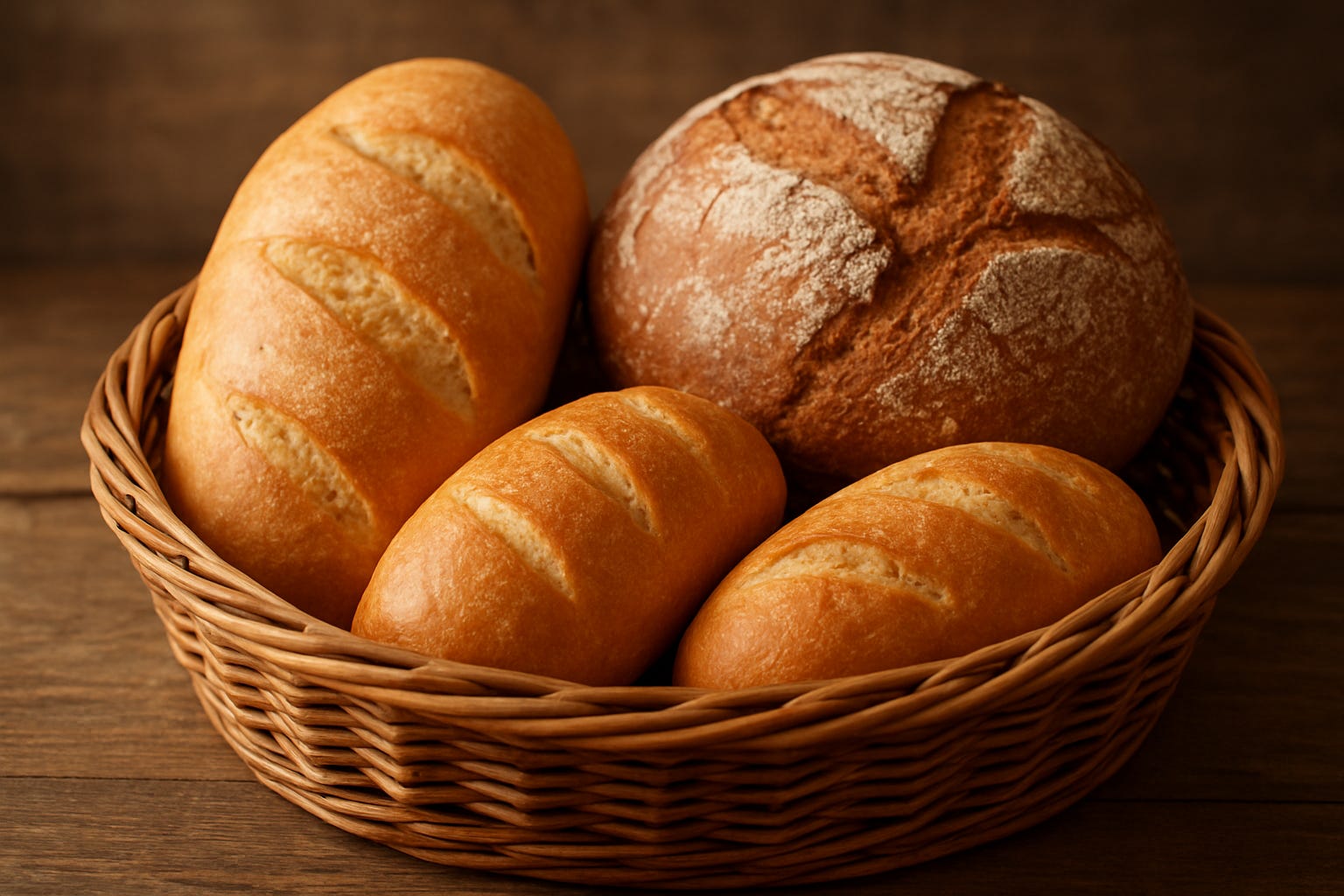
In the beginning, God created food. Some of the first words spoken to freshly created man concerned food. God gave him the fruit of every tree for food. The appearance of the different fruits was a delight to the eyes. The wonderful fragrances drew man to the food. The various tastes and textures were a pleasure. On top of all these experiences, food nourished man’s body, giving him the strength to do what God called him to do.
God also provided food for a test, a loyalty test. In the midst of the original Garden, God forbade man to eat the fruit of one tree (at least for the time being). Would man live by God’s word, or would he seek his life from the creation itself? Does man live “by bread alone?”
From the time of the Garden onward, God has used food as a test. When a man suspected his wife of adultery, part of the ritual in Numbers 5 to test her fidelity was to drink the words of the curse scraped off the scroll into bitter water. Moses tells the children of Israel in his last sermon that the manna in the wilderness was a test to teach them that man doesn’t live by bread alone but by every word that proceeds from God’s mouth (Dt 8:1-5). In the Lord’s Supper, we eat the Word made flesh in the form of bread and drink his blood in the form of wine, and he tests our loyalty as the bride of Christ. The Corinthians did not fare so well when they were tested (cf. 1 Cor 11:17ff.).
Within a recapitulation of the Passover-Exodus-Wilderness wandering in John 6, Jesus provides bread for five thousand plus, and then later talks of manna in the wilderness. As Yahweh with the children of Israel, the provision of food was a genuine mercy, but it was also a test of loyalty. The crowd didn’t do so well.
When the crowd can’t find Jesus the day after they had their bellies filled, they go seeking him, which is not a bad thing to do … if you are doing it for the right reasons. When they find Jesus, he tells them that they didn’t seek him because they genuinely understood what he was doing in his signs, but because they filled their bellies. Jesus seems to miss a real opportunity to grow the church here, exposing the crowd’s true motivation. He doesn’t seem very winsome. They were looking to food for their life and not the source of the food. They were trying to live by bread alone and not by the Word-made-flesh who proceeds from the Father. They didn’t want to walk in the way of life with Jesus; they only wanted the goodies he could provide to satisfy all their present cravings. Here is a man who can heal their bodies and stuff their bellies. He’s like big government welfare: all benefits, no work.
Jesus corrects that thinking quickly. And that thinking needs to be corrected consistently in those who seek Jesus for the wrong reasons. I’ve got a drug problem that has messed up my life. Now I want out of all the consequences of what I’ve done … without changing all my habits. I’ve got a marriage problem due to neglect. Now I want it all fixed … without changing what I’ve been doing. I’ve got a financial problem because I’ve refused to work or made really bad decisions. Now, I’m praying for a miracle … but I don’t plan on changing my work habits or financial decisions.
Jesus’ compassion for the crowd was misunderstood … as compassion can easily be.
It can appear to be a bailout or easy street. But Jesus explains that what they are seeking, they will not receive because it is not something Jesus is promising. He isn’t promising to simply rearrange everything in the present world dominated by sin and death. He doesn’t promise to give you relief from the consequences of your actions while you continue to live the same way. He calls us to a new way of living that is shaped by allegiance to him and all that he commands. This will mean trusting him in times of hunger, suffering, and even death. This will mean trusting him that this life is not all there is to this life.
Jesus tests our loyalty to him in various ways. Will you trust him when he’s not giving you everything you want? Will you trust him when times are difficult? Will you trust that he is your ultimate source of life and not food, drink, or any other thing in this world? Will you trust that life is only given and sustained by God’s Word so that whatever he commands you to do is for your life?
The post Divine Welfare? appeared first on Kuyperian Commentary.